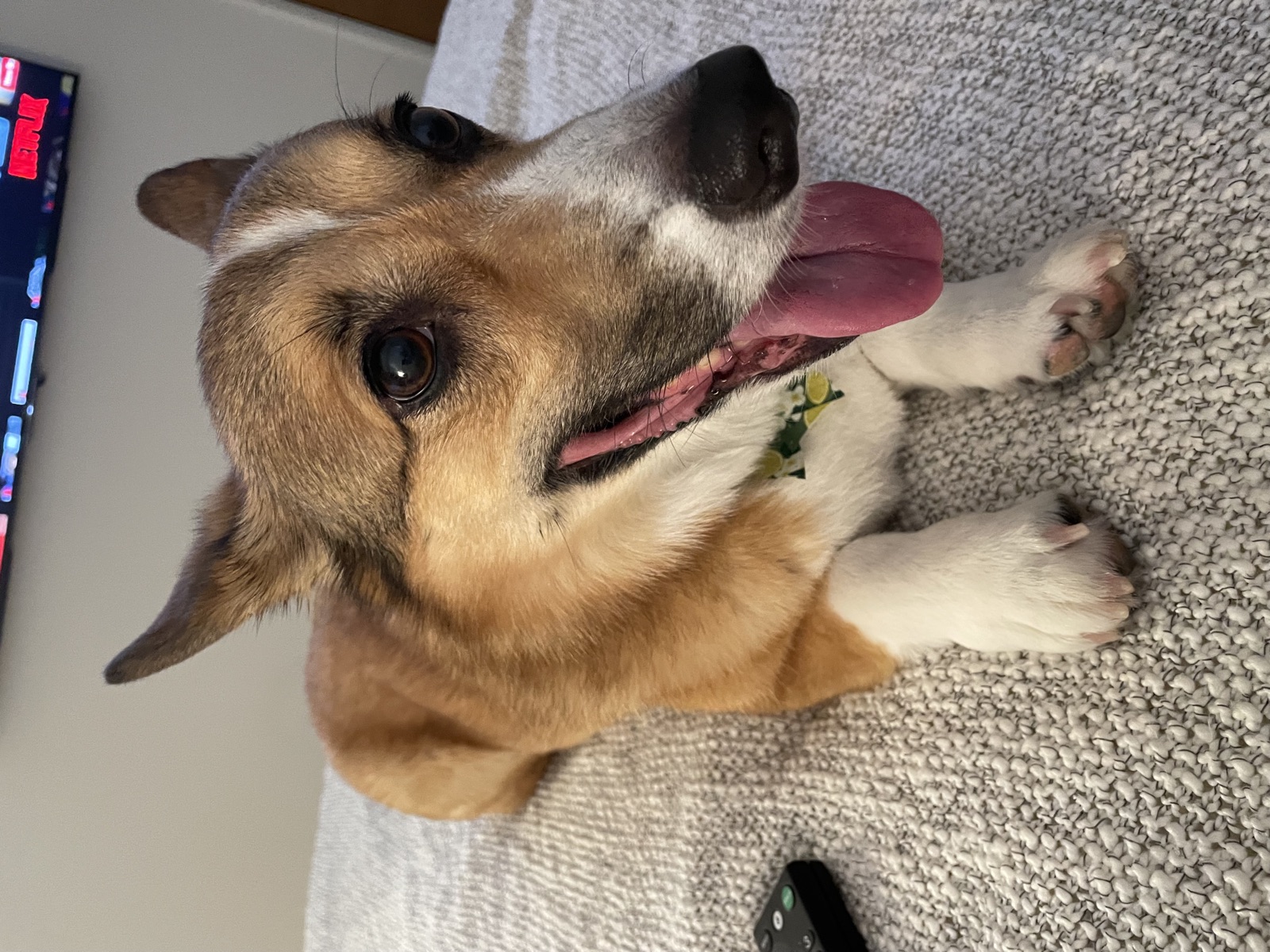
The short version
Corgis are affectionate, whip-smart, sturdy family dogs that thrive with active owners who will train and engage them. The trade-offs are real: heavy shedding, a strong voice, a heel-nipping herding instinct, and a lifelong need to manage weight and protect the back. They reward involvement and punish neglect with behavior problems.
Where the breed comes from
The name "corgi" comes from the Welsh cor (dwarf) and ci/gi (dog) — literally "dwarf dog." Pembrokes were bred as all-purpose Welsh farm dogs, and specifically as drovers: they moved cattle by nipping at the heels and ducking under the kicks. That low-to-the-ground body isn't just cute — it's a working adaptation for a dog that needs to stay below hoof height.
There are two corgi breeds. The Pembroke Welsh Corgi — the fox-faced, short-tailed one famously associated with Queen Elizabeth II, who owned more than 30 of them — is by far the more popular. The Cardigan Welsh Corgi is a separate, older breed with a long tail and larger, rounder ears. The two were officially split into separate breeds in 1934.
The fastest way to tell them apart is the tail: Pembrokes have a short (naturally bobbed or traditionally docked) tail, Cardigans a long, full one. Pembrokes are a bit shorter-bodied with smaller pointed ears and tend to be slightly more extroverted.
The one idea that explains the whole breed
If you remember nothing else, remember this: a corgi is simultaneously a real herding dog and a dwarf-bodied dog. Nearly every trait and care decision traces back to one of those two facts.
- The herding brain means high energy, high intelligence, a strong will, vocalness, and a hardwired instinct to chase and nip at heels.
- The dwarf body — a long spine on short legs (a trait called chondrodysplasia) — means a lifelong obligation to keep the dog lean and protect its back.
Temperament: bold but kindly
The official AKC breed standard sums up the ideal disposition as "bold but kindly" — confident and outgoing, never shy or vicious. In day-to-day life that shows up as:
- A big dog in a small body. Corgis are confident to the point of comedy and want to be in the action, not watching from the sidelines.
- Very intelligent and very trainable — and willful. The breed ranks near the top of Stanley Coren's canine-intelligence assessment (about 11th of all breeds). The flip side of that brainpower is a strong opinion about who's in charge. As the breed club puts it: bright and bossy — if you aren't in charge, they'll happily assume the role.
- Vocal. Corgis are alert watchdogs with big ears that miss nothing, and barking is a default reaction. It can be trained around, but you have to actively teach a "quiet" cue or you'll end up with a nuisance barker.
- Affectionate without being clingy. They bond closely with their people but aren't typically anxious velcro dogs.
Are corgis good with kids and families?
Yes — corgis are widely considered good family dogs and good with children, with a couple of caveats worth stating plainly.
They're sturdy (this is not a fragile toy breed), affectionate, playful, and deeply involved in family life, which makes them a great fit for active households that will train and exercise them.
A corgi's herding instinct transfers directly from cattle to people — especially small, fast-moving, squealing children. A corgi may try to "herd" running toddlers by circling and nipping ankles. This isn't aggression; it's instinct. But a nip that's cute from an 8-week puppy genuinely hurts from a 28-pound adult. It must be trained against early and consistently, and young kids need supervision and coaching to stay calm around the dog.
Two more family realities: corgis shed enormously (a real quality-of-life factor in a home) and bark (worth considering if you have close neighbors or want a quiet house). With other pets they generally do well, especially when raised together, though the chase instinct can switch on around cats and small animals.
What to expect: the honest checklist
Before getting a Pembroke, expect to sign up for all of these:
- Heavy year-round shedding, plus two dramatic seasonal "coat blows." Non-negotiable with a double-coated dog.
- Lifelong weight vigilance. Corgis are genuinely food-obsessed and prone to obesity — and extra weight worsens their signature back and joint problems.
- Back protection for life. Managing jumping, stairs, and weight becomes a permanent habit.
- Daily physical and mental exercise. A herding brain needs a job.
- Early, consistent, reward-based training — especially bite-inhibition and bark control.
- A 12–15 year commitment, with some chance of age-related neurological decline in the final years.
A committed first-timer does just fine. The breed rewards engagement and punishes a hands-off approach — a passive owner will simply be out-maneuvered by a clever, pushy dog. If you're ready to train and exercise consistently, a corgi is a wonderful first dog.
Frequently asked questions
They stand 10–12 inches at the shoulder. A healthy adult male is about 27–30 lb and a female about 25–28 lb — a sturdy, substantial small dog, not a toy. Because the coat hides weight gain, judge condition by feel, not by eye.
They can. Corgis are alert, vocal watchdogs, so barking is a natural first reaction. It's very manageable with early training of a "quiet" or "enough" cue, but a household wanting a silent dog should think twice.
They can be, provided they get daily exercise and mental stimulation and you manage barking. The short legs fool people into underestimating their energy — an under-exercised corgi in a small space becomes vocal and destructive.
Historically most Pembroke tails were docked — traditionally attributed to a medieval tax on working dogs rather than any herding need. Docking is now banned in the UK and much of Europe (so UK corgis increasingly have natural tails), but it remains legal and common in the US. Some Pembrokes are also born with a natural bobtail.
Decided a corgi is for you? Read next: Caring for a Corgi at Every Life Stage and Common Corgi Health Problems.